 Share
Share



Design, Design stories, d+a, D+a Issue 136, new issue out, design and architecture, architecture, architects, architecture projects, design projects, interior design, industrial design, design
The future of architecture is no longer defined by form alone, but by synthesis of nature and technology, past and future, object and environment. The projects in this issue reflect a shift towards buildings that function as living systems, porous frameworks, and cultural interfaces.
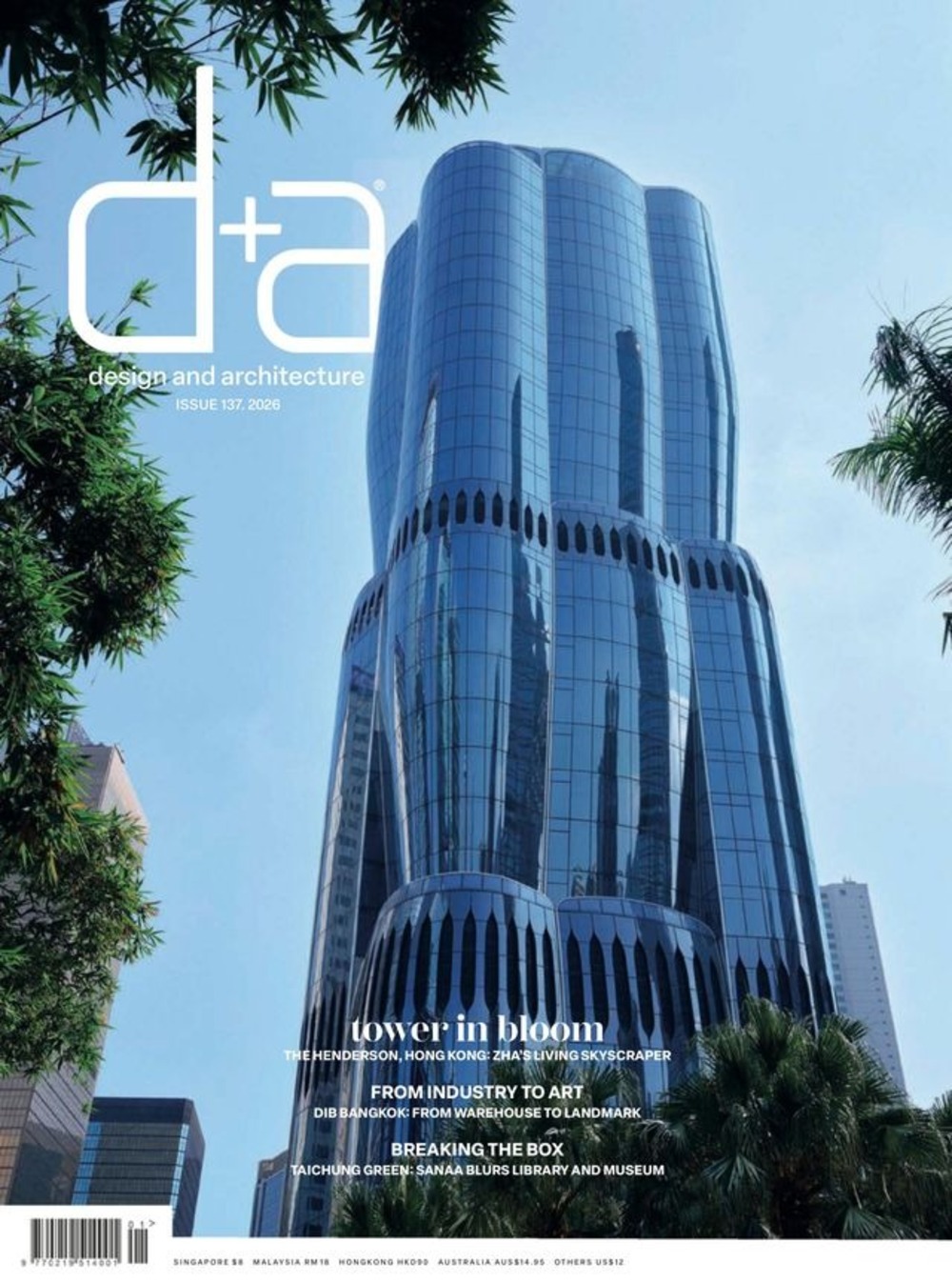
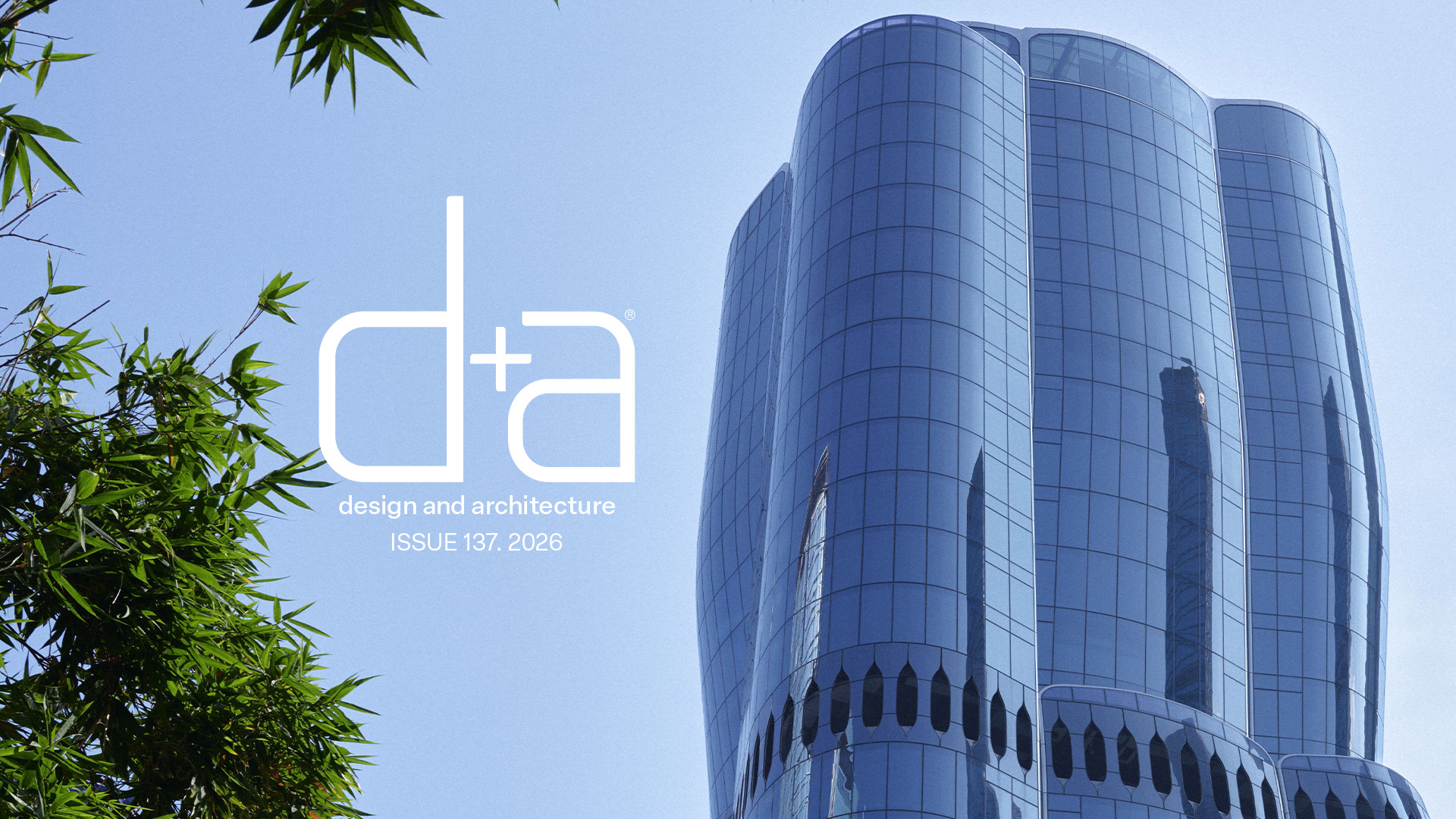
For instance, Hong Kong’s new landmark, The Henderson. Zaha Hadid Architects (ZHA) reimagines the skyscraper as something almost organic sans sharp corners. Instead, we see distinctive fluid forms inspired by the Hong Kong orchid tree. For this project, high-performance glass and integrated green strategies point to a more responsive, climate-conscious approach to vertical architecture. The building also incorporates open-air communal space adorned with plenty of greenery.
Over in Thailand, the new Dib Bangkok by WHY Architecture is a former warehouse transformed into Thailand’s first international-standard contemporary art museum. Here, the future is not constructed anew, but revealed through adaptive reuse, alongside spaces shaped for dialogue rather than display.
Elsewhere, public platforms are evolving into more deliberate expressions of sustainability and place-making. In Chengdu, Pujiang Platform by MVRDV reconstructs a flattened hilltop as a domed, green-roofed pavilion. The design restores rather than replaces the landscape. Built with bio-based materials and integrated planting, it minimises ecological impact while expanding its role from viewpoint to civic venue.
In our own backyard in Singapore, the Geneo Life Sciences Cluster introduces The Canopy, where mass engineered timber and passive design strategies such as natural ventilation, daylighting and reduced embodied carbon reshape the workplace as a climate-responsive social commons. Constructed in glulam, a lightweight yet structurally robust engineered timber, The Canopy reduces embodied carbon by up to 88 per cent compared to conventional steel and concrete. The naturally ventilated spaces balance environmental performance with comfort, as well as provide a gathering space for all walks of life.
We hope you will enjoy this issue, and happy reading!