 Share
Share



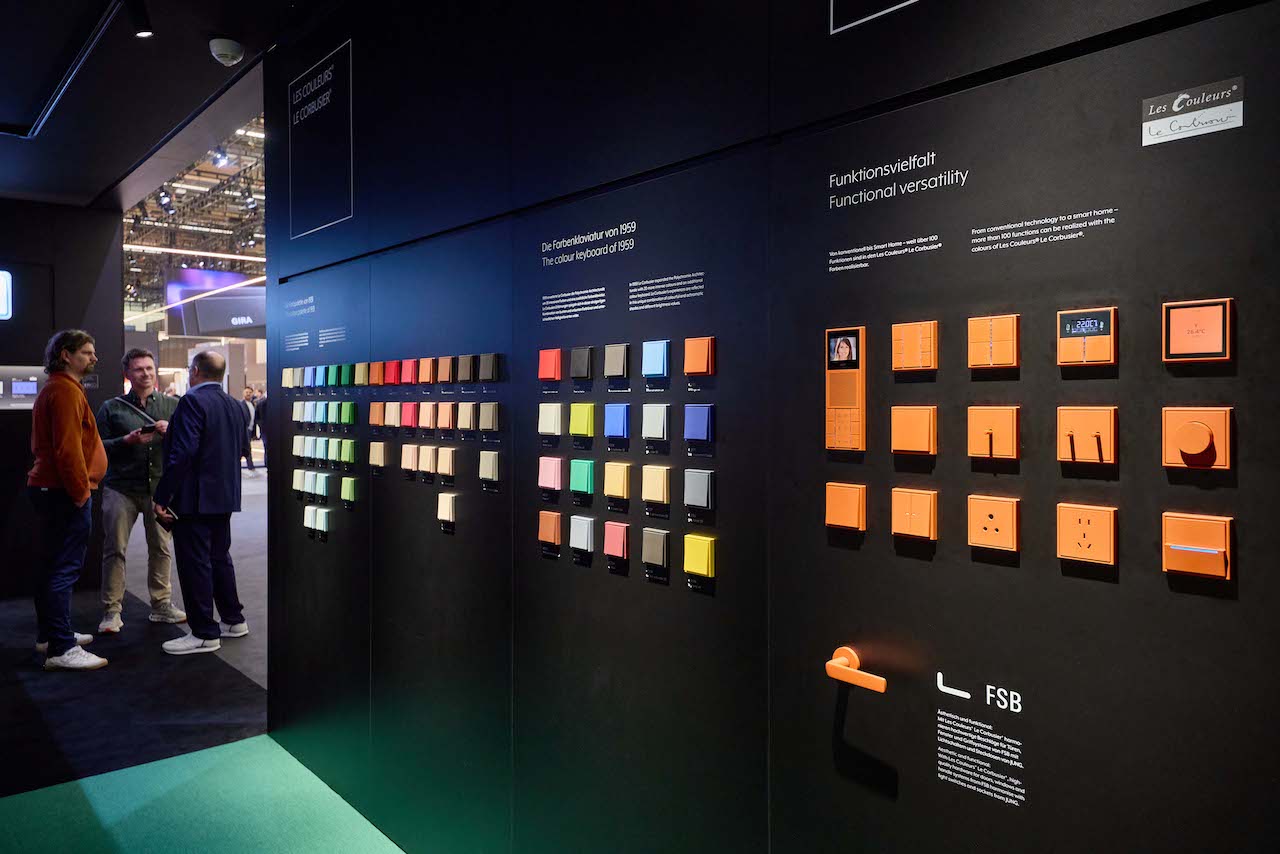
Light + Building 2026 returned to Frankfurt as the built environment continues to shift in measurable ways. Held rom 8 to 13 March 2026, the fair was framed by the themes Sustainable Transformation, Smart Connectivity and Living Light, bringing together 1,927 exhibitors from 49 countries and drawing 140,000 visitors from 143 nations.
Despite disruptions to global travel routes, the turnout reinforced the event’s role as a key meeting point, to showcase products while bringing together an increasingly interconnected industry.
Buildings as Active Systems
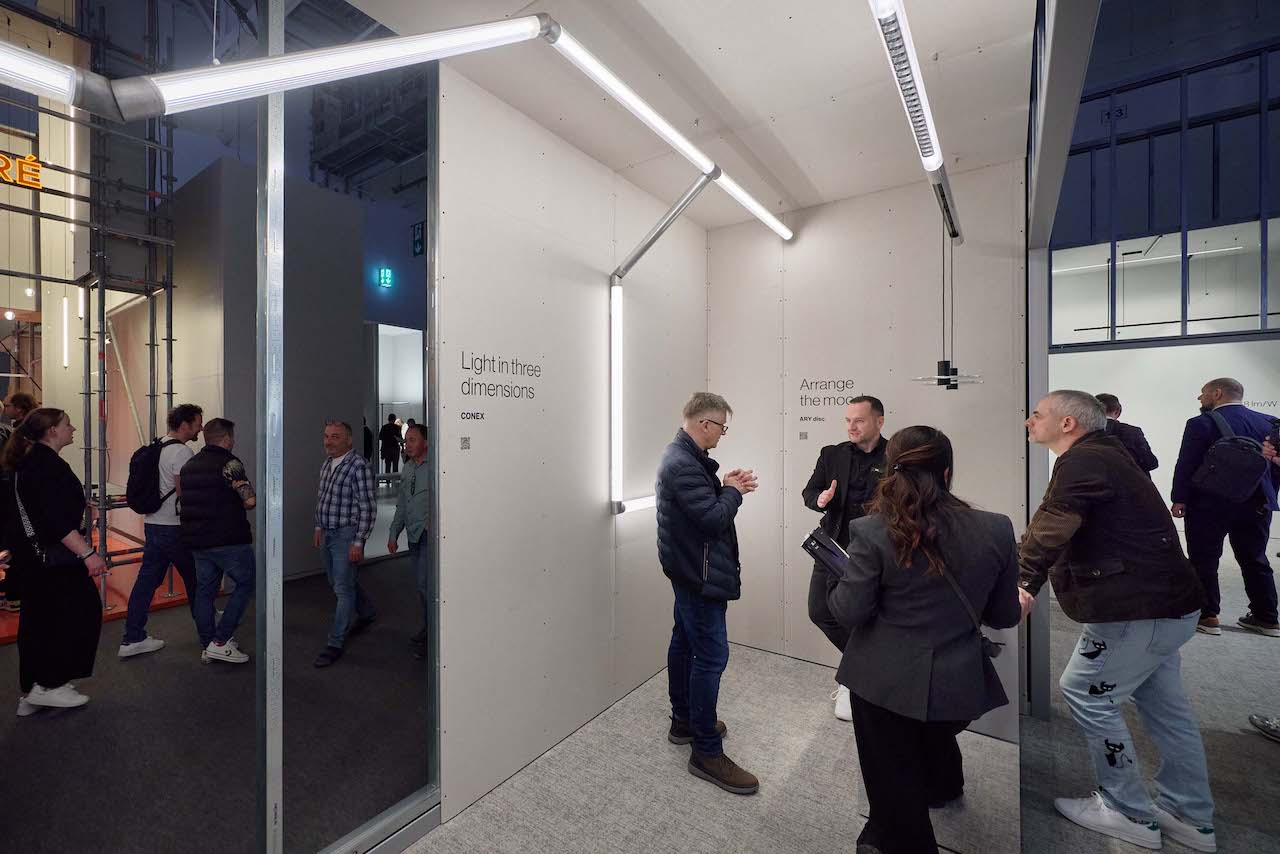
Across the halls, one idea surfaced repeatedly: buildings are no longer static containers, but active participants in larger systems.
Energy infrastructure, mobility and digital networks are beginning to converge. Solutions around smart distribution, load management and bidirectional charging point towards buildings that can store, share and respond to energy in real time.
Equally significant was the attention on existing building stock. Rather than focusing solely on new builds, many exhibitors presented modular and scalable retrofit solutions — a pragmatic shift that acknowledges the realities of urban environments, particularly in regions where redevelopment is limited.
Lighting Moves Between Precision and Emotion
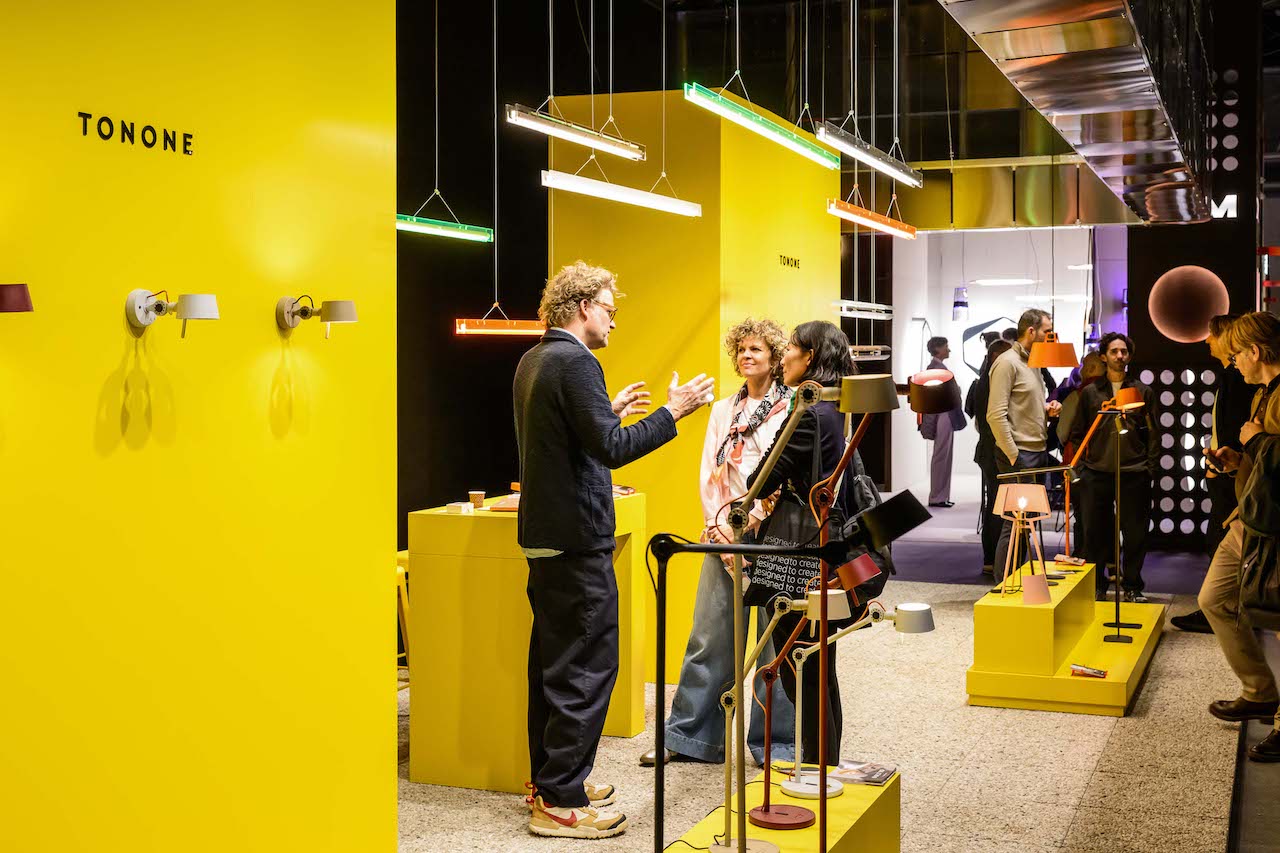
If building technology leaned towards systems thinking, lighting revealed a more nuanced evolution. On one hand, it is becoming increasingly data-driven. Sensors, AI-supported controls and connected luminaires allow light to respond dynamically to presence, daylight and usage patterns.
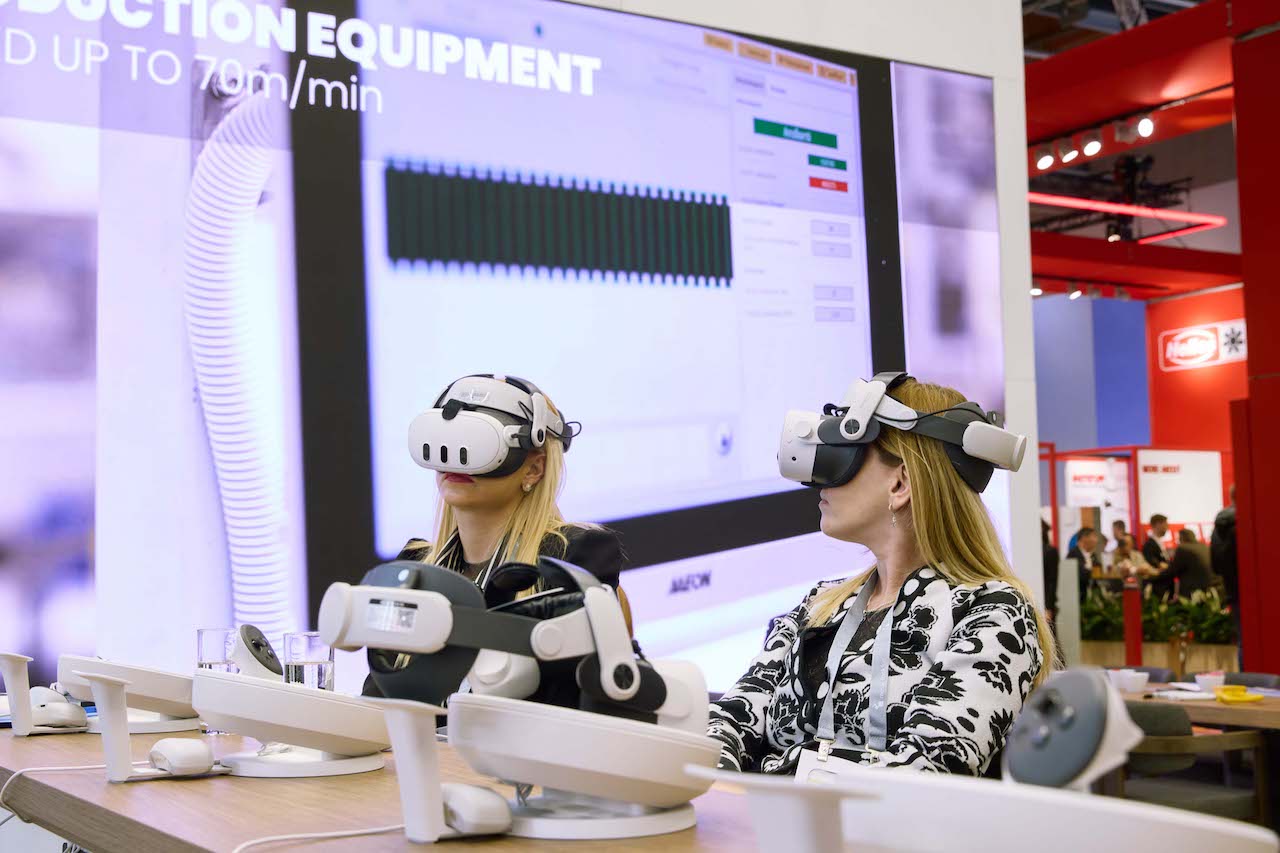
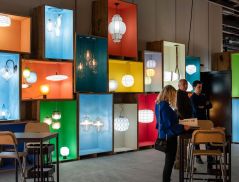
On the other, its role as a spatial and emotional medium remains intact. Across exhibitions and guided tours, there was a noticeable exploration of contrast — between visible and invisible light, and between architectural integration and expressive form. Minimal profiles, concealed light sources and glare-controlled systems sat alongside more atmospheric, scenographic installations.
In several showcases, the question was not just how to illuminate a space, but how to shape perception — using shifts in intensity, temperature and direction to alter mood over time.
What’s Next?
The next edition of Light + Building will return from 5 to 10 March 2028 in Frankfurt. The focus is shifting towards how buildings, cities and people interact within responsive environments.
Talks+Tours
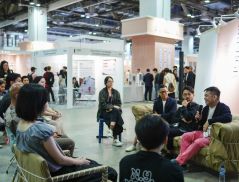
Running alongside the main exhibition, the World-Architects Talks+Tours programme offered a more structured way to navigate Light + Building 2026.
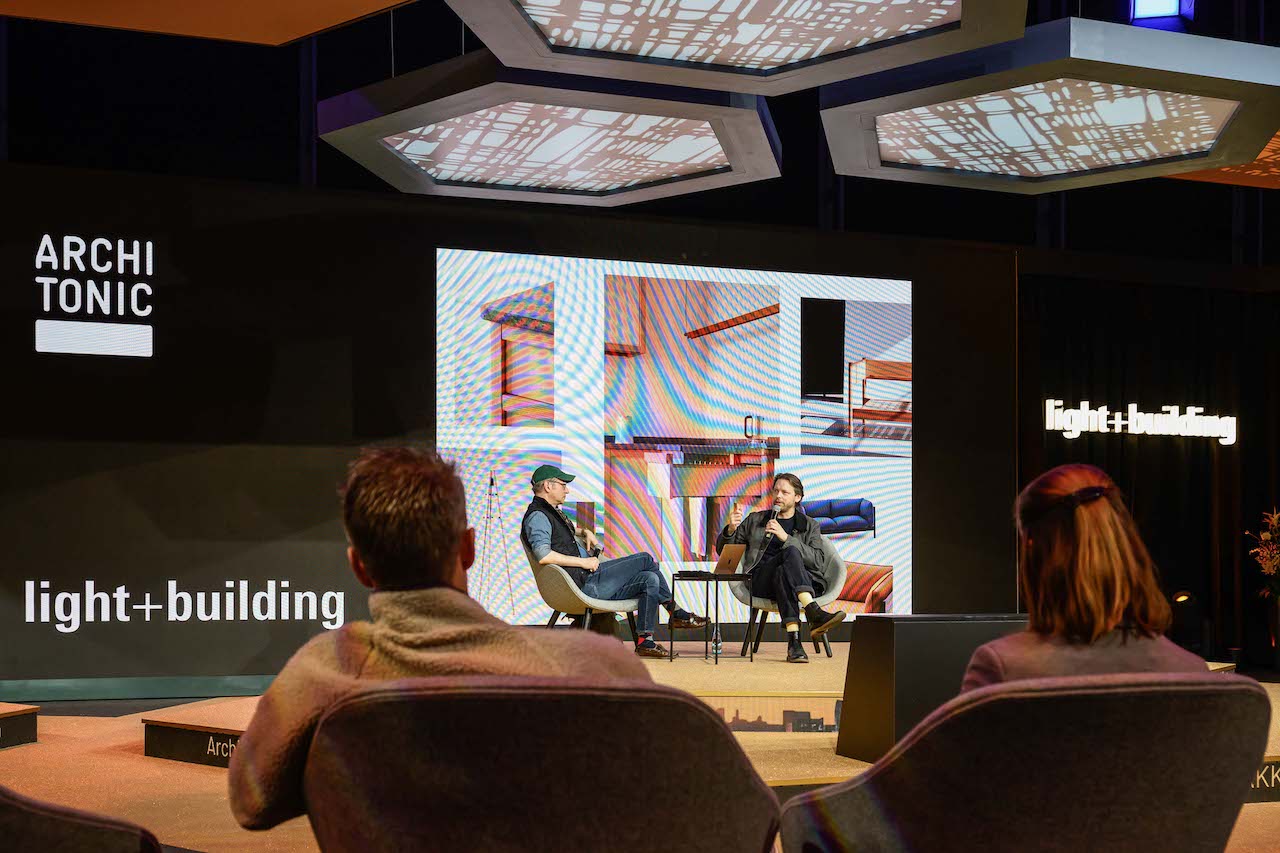
Organised in cooperation with Messe Frankfurt, the initiative brought together 13 international lighting designers and experts, each leading small groups through the halls while sharing their individual perspectives on what stood out.
The format combined short talks with curated walkthroughs. Contributors included Carla Wilkins and Philip Rafael, Daniel Walden, Jan Nielsen, alongside guided tours led by Lance Hollman, Jonas Godehardt, Sabine De Schutter, Claudia Tiesler, Jule Leu, Iris and Michael Podgorschek, as well as Beatrice Seidt and Florian Zach.
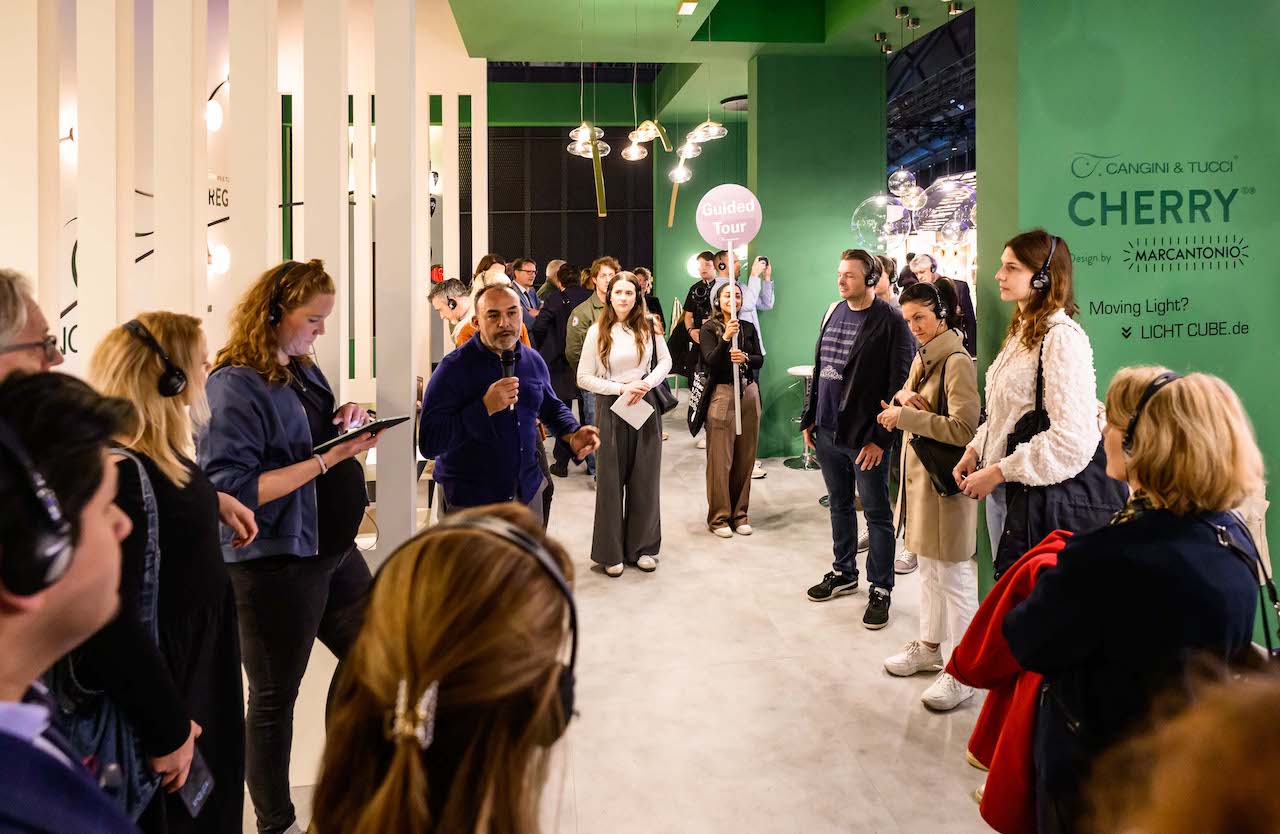
Rather than covering the fair broadly, the tours focused on selective highlights, drawing attention to details that might otherwise be overlooked. Among the recurring points of interest were brands such as XAL, Linea Light Group and Luce&Light. Across these presentations, a few common threads emerged: increasingly refined luminaire profiles, concealed light sources that prioritise visual comfort, and systems designed to integrate more seamlessly into architecture.
There was also a noticeable emphasis on how light is applied rather than just specified. From glare-controlled optics to configurable systems and outdoor lighting that responds to changing conditions, the discussions moved beyond product features towards how lighting shapes atmosphere and use.
For more information, visit this website.